2026-10-16 ·
How to Document Smoke Damage for Insurance Claims in San Bernardino County
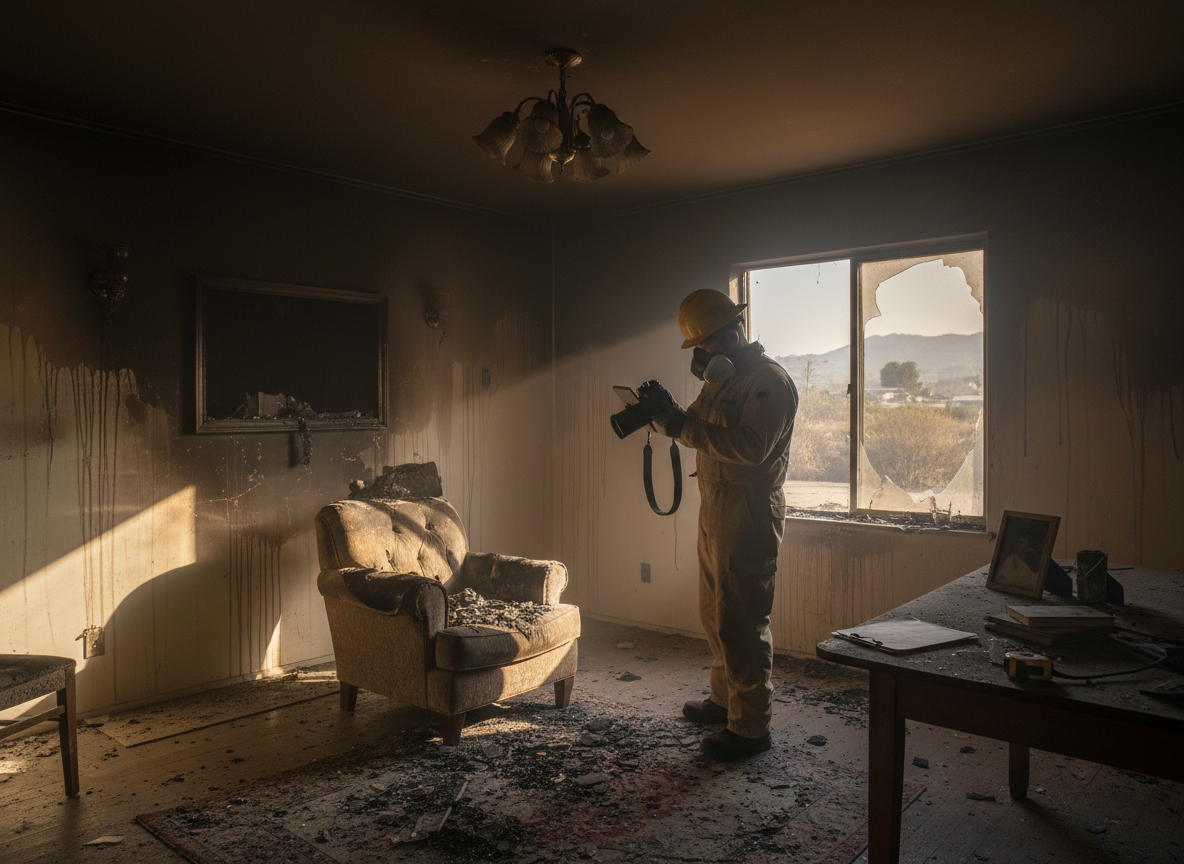
In San Bernardino County, start documentation by photographing every affected surface within the first 24 hours while wearing gloves and noting exact room locations, material types, and odor intensity levels. This creates a timestamped baseline that adjusters accept more readily than later recollections. Guasti properties often feature 1960s-1980s ranch homes with textured ceilings and HVAC systems that spread soot into wall cavities, so include shots of registers and attic access points. Record temperatures and wind conditions on the day of the fire, since dry Santa Ana gusts common here push smoke deeper into insulation than coastal fires do.
Creating a Room-by-Room Inventory List
Walk through each room and list every item showing discoloration, residue, or odor absorption, using a spreadsheet with columns for description, purchase date if known, and visible damage extent. Guasti homes frequently hold older wood furniture and textiles that retain smoke longer than newer synthetics, so note fabric types and whether items sat near forced-air vents. Photograph each entry next to a ruler or coin for scale and include close-ups of soot lines on baseboards. Keep copies of receipts or model numbers where available; if originals burned, note the absence and describe replacement needs. This level of detail helps differentiate pre-existing wear from new smoke effects in county insurance reviews.
Capturing Photos and Video Under Local Conditions
Use natural daylight when possible and supplement with a bright LED to reveal fine soot on Guasti stucco exteriors or interior drywall. Film a continuous walkthrough starting at the front door, narrating visible smoke paths from entry points like windows or electrical outlets common in mid-century builds. Capture HVAC filter condition and any residue inside ducts, since dry climate winds often force particles through the system. Take exterior shots of roof vents and chimney flues after noting recent weather, because low humidity here dries soot quickly and changes its appearance within days. Store files with date stamps and back them up offsite immediately.
Logging Odor and Hidden Damage Evidence
Describe odors room by room using specific terms such as acrid, musty, or chemical rather than general statements, and record how long the smell lingers after windows are opened. In Guasti's dry air, smoke particles settle into porous materials like drywall and carpet padding faster than in humid regions, so test by sealing a small area overnight and noting reappearance. Check attics and crawl spaces for hidden soot on rafters, a frequent issue in older San Bernardino County homes with limited insulation. Reference local wind patterns that push smoke into these voids during fire season. Document any water used during firefighting that later interacted with soot, as this combination creates acidic residues that etch surfaces over time.
Coordinating with Adjusters and Professional Teams
Share your timestamped inventory and media files with the adjuster during the initial inspection and request written confirmation of receipt. When hidden damage appears in wall cavities or HVAC runs, note the exact locations and request follow-up testing. Guasti residents can reference regional restoration practices that address both soot and residual moisture from suppression efforts in the area's arid climate. Keep a separate log of all communications, including dates, names, and agreed next steps. This record supports fair valuation when claims involve multiple affected properties across nearby neighborhoods like Ontario or Rancho Cucamonga.
Final Review Before Submission
Compile the inventory, photos, videos, and communication log into a single dated packet and review for gaps such as missing attic images or unnoted odor tests. Verify that every entry ties back to the original fire event rather than general wear common in San Bernardino County housing. Once complete, retain the original files and send copies only. This organized approach aligns with how local carriers evaluate smoke claims in dry inland counties where wind-driven soot travels farther than in other parts of the state.